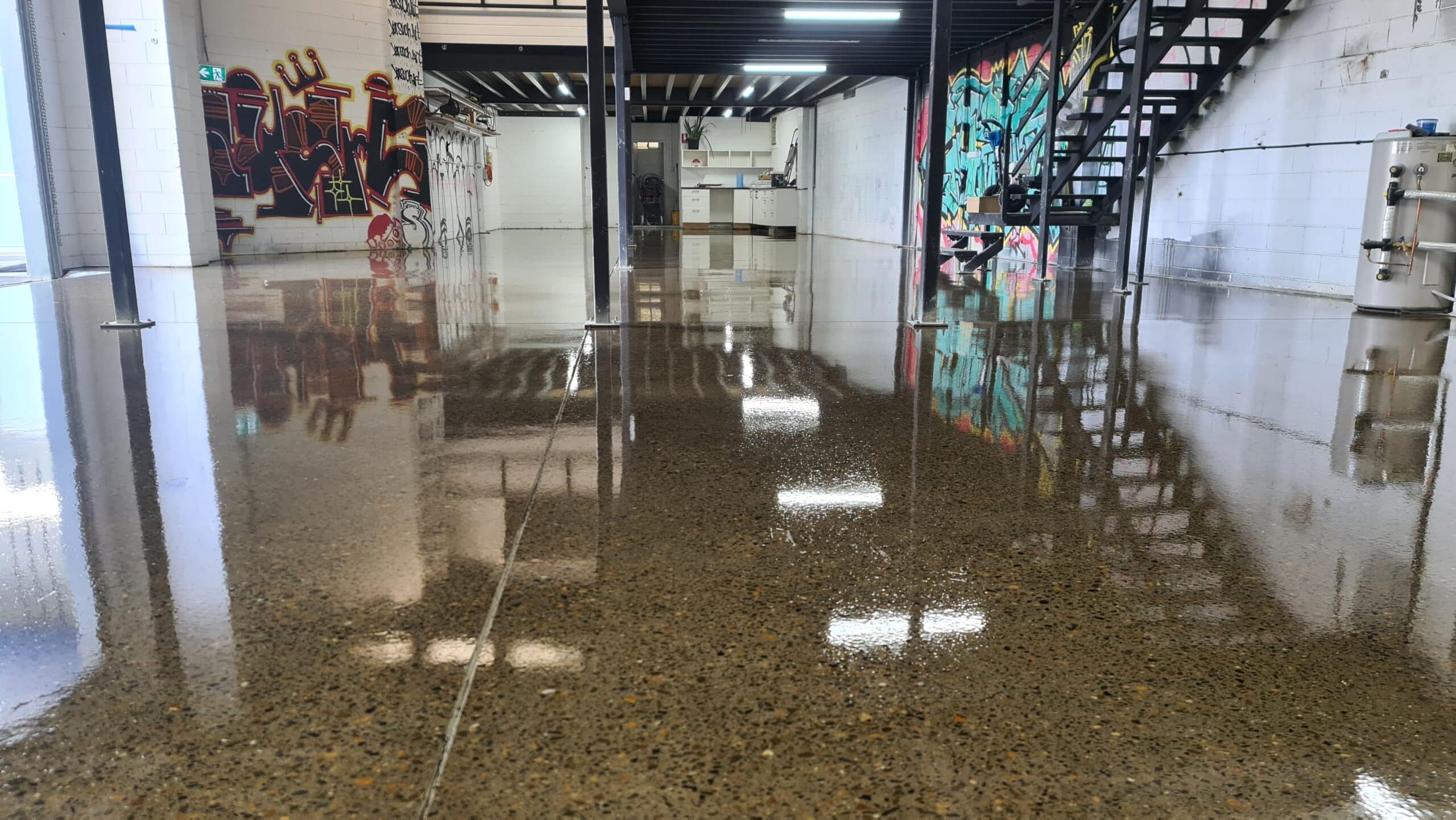
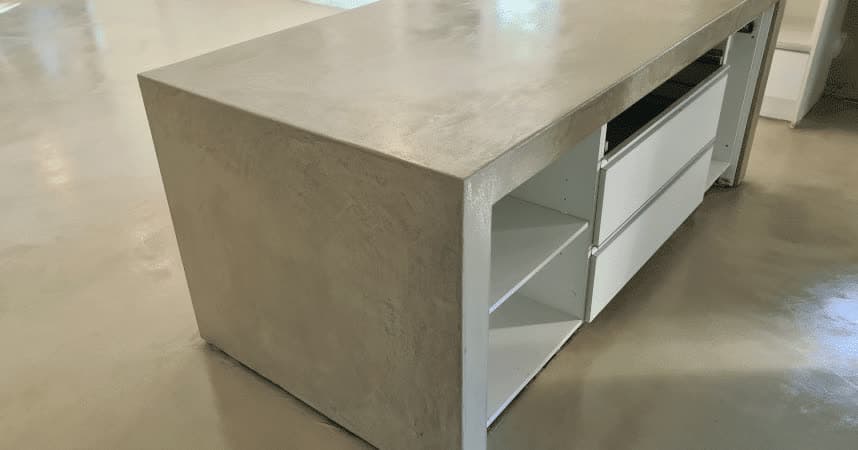
Whether an epoxy floor or a polished concrete floor lasts comes down to what happened to the slab before the finish went on. On a commercial or industrial floor on the Gold Coast, preparation is the step that decides adhesion and lifespan.
Total Grind N Polish grinds, polishes and coats concrete for Gold Coast homes and businesses, from a single garage or driveway to a full warehouse, and has since 2005. This guide runs through the preparation steps we follow on a commercial floor and why none of them can be skipped.
Why Proper Floor Preparation Matters
Concrete substrates in commercial settings often have imperfections, moisture issues, contaminants, or previous coatings that can interfere with epoxy or polished concrete applications. Neglecting these issues risks adhesion failure, peeling, bubbling, or uneven finishes, costly problems that can undermine your investment.
By prioritising thorough preparation, you get:
- Maximum coating adhesion
- A smooth, uniform finish
- Reduced risk of cracks or delamination
- Longer floor lifespan and performance
- Compliance with workplace safety standards
Step 1: Site Inspection and Moisture Testing
Before any work begins, our team conducts a detailed site inspection to assess slab condition and identify potential challenges such as cracks, holes or unevenness.
We also perform moisture testing to determine if moisture vapour is present in the slab, which can compromise epoxy adhesion. In some cases, moisture barriers or specialised primers are necessary.
Step 2: Mechanical Surface Preparation
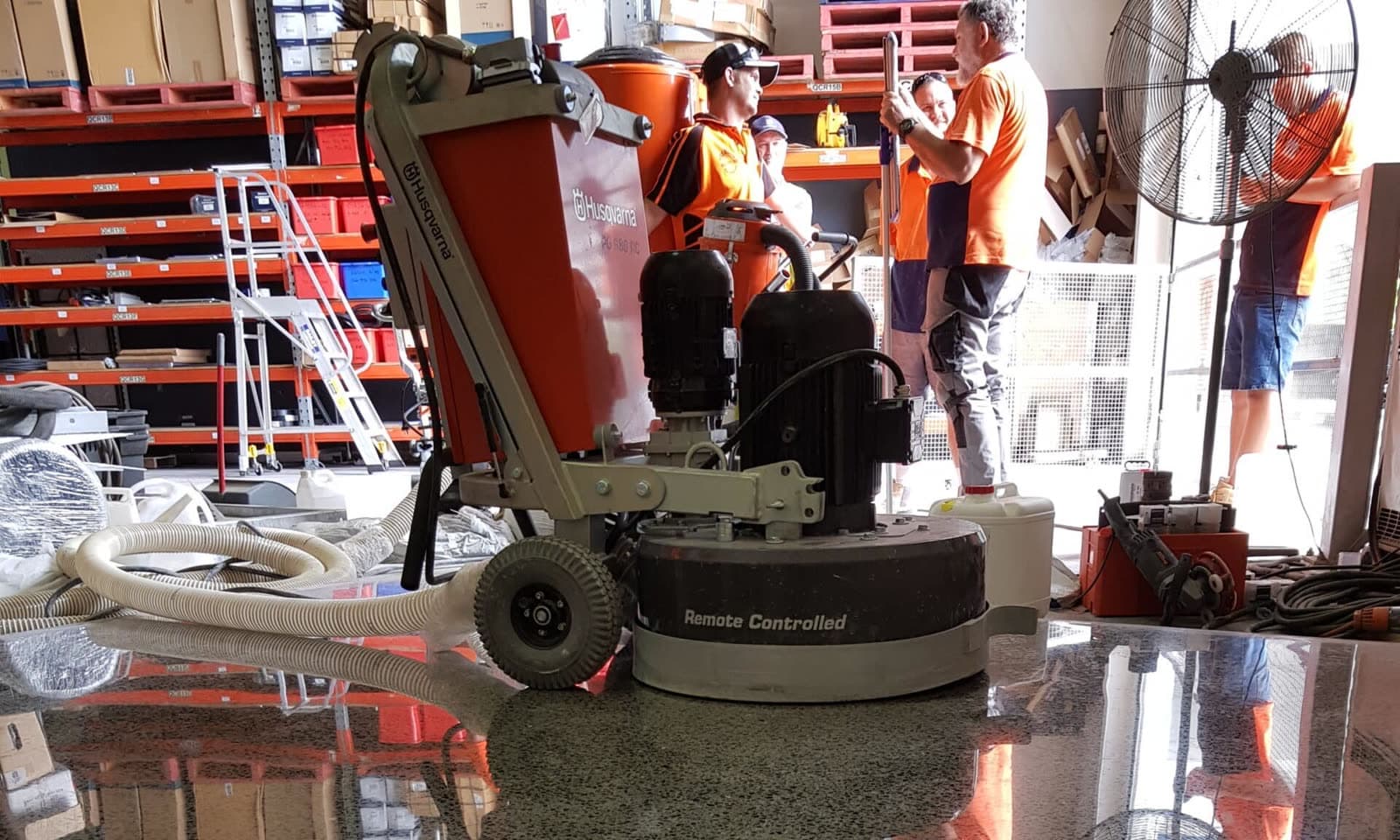
The most reliable way to prepare large commercial floors is through mechanical surface preparation methods like diamond grinding and shot blasting. These techniques:
- Remove contaminants, old coatings, and surface laitance
- Create a rough profile that enhances epoxy or polish bonding
- Level out uneven or rough concrete areas
Surface preparation equipment is powerful and dust extraction systems keep the worksite clean and safe.
Step 3: Concrete Repairs
Commercial concrete often has cracks, spalls, or damage from heavy machinery or chemical exposure. Repairs using specialised fillers or epoxy mortars restore surface integrity and prevent future issues.
For large projects, addressing all defects before coating or polishing is crucial for performance and appearance.
Step 4: Final Cleaning
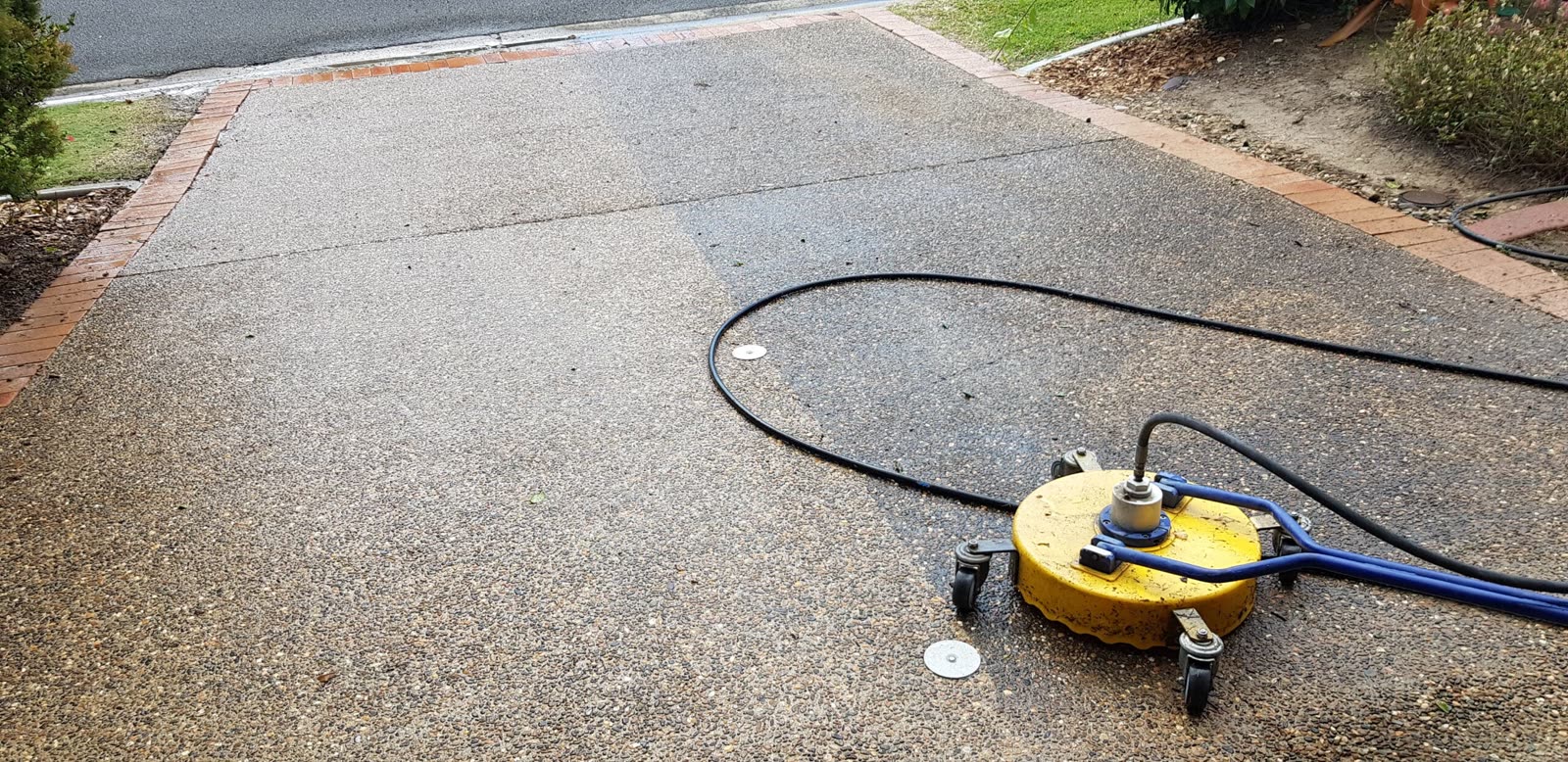
Once grinding and repairs are complete, thorough cleaning removes dust, debris and grease that could interfere with coating adhesion. This includes industrial vacuuming and washing.
Step 5: Primer and Coating or Polishing Application
For epoxy flooring, primers are applied after preparation to seal the substrate and improve bonding. Then, multi-layer epoxy coatings are installed according to project specifications.
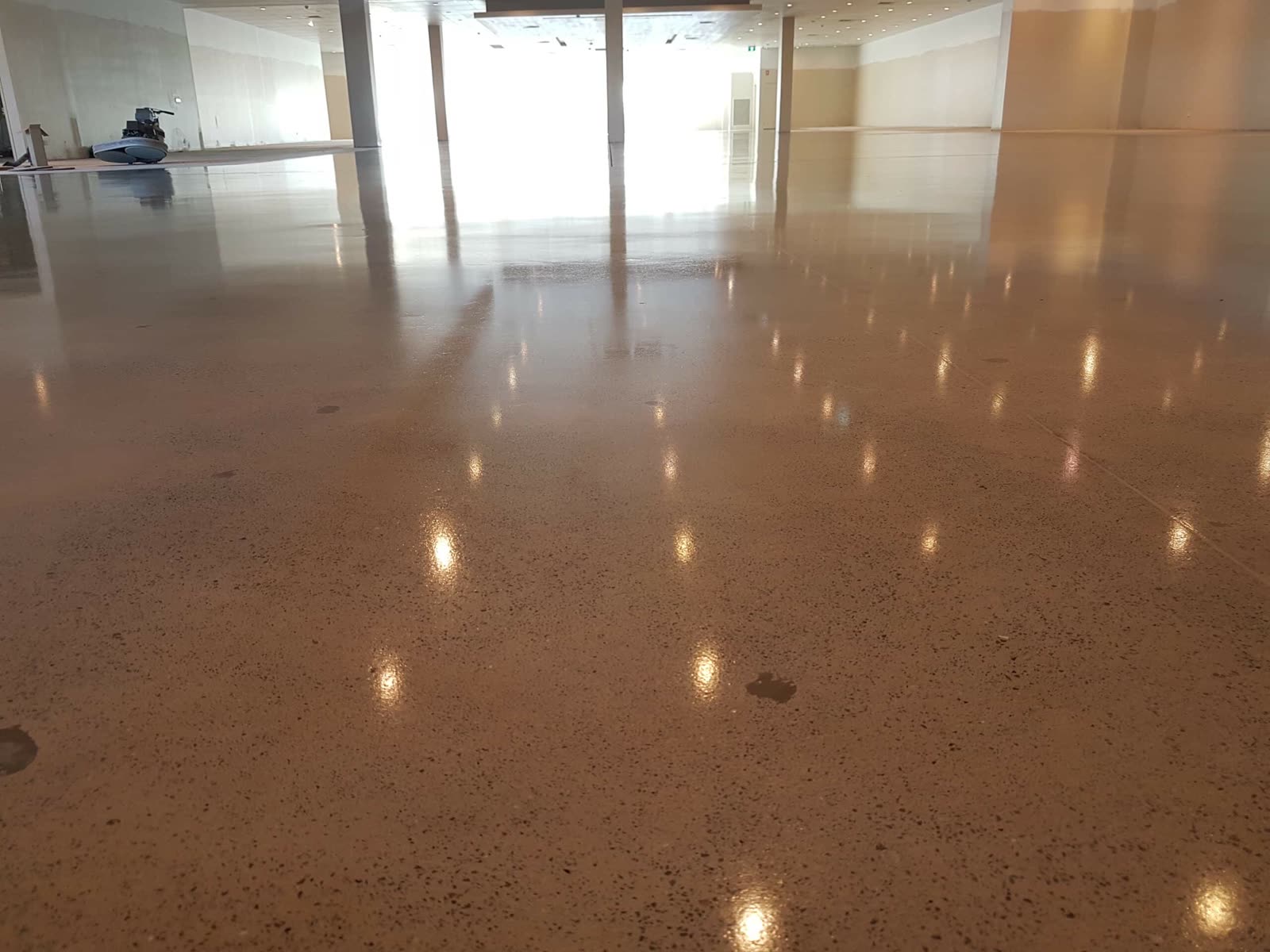
For polished concrete, the surface is progressively ground and polished to the desired sheen. Sometimes penetrating sealers are applied for stain protection.
Why Choose Total Grind N Polish for Floor Preparation?
We have been preparing Gold Coast floors since 2005, on jobs from 100m² to 10,000m² and more. We run Husqvarna PG 690 grinders with S 36 H-class extractors and match the preparation method to the slab in front of us, not to a standard scope.
That preparation stage is the main reason our floors last.
Final Thoughts
Preparation is the foundation of any epoxy or polished concrete floor, and the bigger the area, the more it costs to get wrong. We inspect the slab, put the preparation scope in writing with the quote, and agree the finish on a sample.
Request a quote with a couple of photos of the floor, or call Simon on 0421 050 747.